GET UPTO 70% DISCOUNT TODAY
LunaVelle Sleep Patches - Better Sleep, Naturally Without Melatonin
Wake up refreshed — no grogginess or “melatonin hangover”
Supports natural hormone balance without interference
Delivers consistent results without needing higher doses over time
Works in harmony with your body’s natural sleep cycle
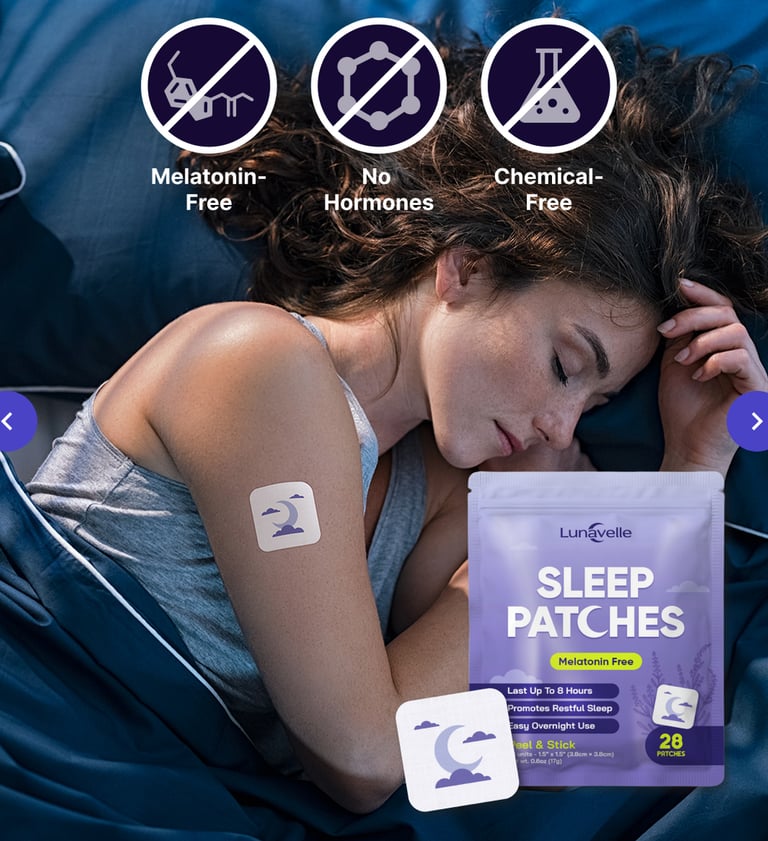
Sleep patches like LunaVelle are transdermal wellness patches designed to support sleep by releasing natural ingredients through the skin over several hours while you rest. Unlike pills, capsules, or gummies, these patches aim to deliver calming compounds directly into the bloodstream gradually.
In essence, you apply the patch to clean, dry skin — typically on the wrist, forearm, shoulder, or stomach — about an hour before bedtime. The patch adheres comfortably and is meant to stay in place throughout the night.
According to product descriptions and reviews, these patches are melatonin-free and focus on botanical and nutrient-based compounds reported to promote relaxation and restful sleep, without the next-day grogginess often linked with some sleep medications or supplements.
How Do Sleep Patches Claim to Work?
The primary appeal of LunaVelle-type patches is transdermal slow release — a continuous, gentle absorption of ingredients through the skin rather than a rapid peak and crash typical of oral supplements. This is similar to how nicotine or hormone patches work, though with wellness-oriented ingredients.
Strategic Claims
Proponents explain the mechanism like this:
Bypassing digestion: Ingredients are absorbed through the skin, so they avoid first-pass metabolism in the stomach and liver, which can reduce effectiveness.
Continuous release: Instead of a single spike in concentration, transdermal delivery aims for a steady effect throughout the night.
Natural synergy: Botanical and nutrient compounds are chosen to work with the body’s natural sleep pathways rather than artificially inducing sleep.
This approach is marketed as especially beneficial for people who have trouble staying asleep — not just falling asleep — or those who dislike the side effects of traditional sleep supplements.
Typical Ingredients and Their Roles
Most sleep patches feature a blend of herbal extracts, calming amino acids, and minerals that may influence sleep physiology. Commonly mentioned components include:
● Ashwagandha Extract
An amino acid associated with relaxation and reduced stress, often found in tea leaves.
● Jujube Extract
A neurotransmitter that supports calmness; supplements may help reduce nervous tension.
● Lavender Oil
Important for nervous system regulation and muscle relaxation.
● Hop Flower Powder
Including valerian root, passion flower, chamomile, lavender, jujube, tart cherry, and hops — all herbs traditionally used for their soothing properties.
It’s worth noting that many of these ingredients have tradition-based or preliminary research supporting calming effects, but robust clinical trials on patches specifically remain limited.
Advantages Over Traditional Sleep Aids
Why are many people turning toward patches instead of pills or melatonin? Some key advantages commonly claimed include:
✔ No swallowing required
Good for those who prefer not to use gels, capsules, or liquids.
✔ Avoids digestive metabolism
May help deliver ingredients more steadily.
✔ Reduced morning grogginess
Being melatonin-free and slow-release may lower next-day drowsiness.
✔ Non-habit forming claims
Unlike some pharmaceutical sleep meds, patches promote relaxation rather than sedation.
✔ Simple to use
Just stick and go — no mixing, timing, or preparation.
Scientific Evidence & Limitations
While the idea of transdermal delivery is medically established for certain drugs and hormones, scientific research specifically on sleep patches for insomnia or sleep quality is limited.
Most evidence cited in marketing comes from research on:
individual ingredients in other forms (like oral magnesium or L-theanine), not patch delivery, and
traditional herbal use over centuries rather than controlled clinical trials.
Furthermore, there are no widely published, peer-reviewed sleep patch studies demonstrating effectiveness in large human trials as of 2026, meaning efficacy claims should be interpreted cautiously.
What Real Users Are Saying
People’s experiences with LunaVelle-type sleep patches vary widely — a common pattern for wellness products without standardized clinical benchmarks. Here’s a summary of user feedback across platforms:
⭐ Positive Reports
Many people claiming deeper sleep and easier nights — especially those tired of melatonin or pills.
Some users report waking up refreshed without grogginess.
Easy, non-invasive application praised by users.
.
Safety Considerations
✔ Natural herbal extracts and minerals used in doses typical of supplements tend to be well tolerated for most adults.
✔ Transdermal patches avoid digestive side effects like nausea common with oral supplements.
However, experts stress:
Consult a healthcare provider if you’re pregnant, breastfeeding, have chronic health conditions, or are on prescription medications.
People with sensitive skin might experience irritation if a patch is left on the same spot repeatedly.
These patches are not substitutes for clinical treatment of diagnosed sleep disorders like sleep apnea or severe insomnia.
Who Might Benefit Most
Sleep patches may be most suitable for:
➤ People with mild-to-moderate sleep difficulties
Especially those whose routines or lifestyle stresses make falling asleep or maintaining sleep challenging.
➤ Individuals seeking non-pharmaceutical solutions
Those wary of melatonin, prescriptions, or chemical sedatives.
➤ Long-term users of oral supplements
Especially if those haven’t delivered sustained results.
However, if sleep problems stem from medical conditions, medication side effects, or chronic disorders, professional evaluation is recommended.
How To Use Sleep Patches Effectively
Maximizing the potential benefit of patches involves consistency and good sleep hygiene:
📌 Apply to clean, dry, hairless skin about an hour before bedtime.
📌 Rotate application sites to prevent irritation.
📌 Combine with healthy habits: dark room, limited screens, regular bedtime routine.
📌 Expect gradual effects: many report cumulative improvement over several nights.
Patches are typically designed for nightly use as part of a consistent sleep routine rather than sporadic application.
Alternatives to Sleep Patches
If sleep patches aren’t the right fit, other options include:
✔ Sleep hygiene habits (consistent bedtime, reduced screen time)
✔ Cognitive Behavioral Therapy for Insomnia (CBT-I)
✔ Melatonin or herbal supplements (under professional guidance)
✔ Prescription therapies for medically diagnosed sleep disorders
Each has its own evidence base and should be chosen based on individual needs and professional advice.
Final Verdict: Are They Worth Trying?
Sleep patches represent an innovative and convenient approach to sleep support, especially appealing to people who want:
a non-pill format,
melatonin-free ingredients, and
steady, overnight support.
While some users report positive effects, and transdermal delivery is scientifically plausible, independent clinical evidence remains limited. Results vary, and patches are best viewed as part of a comprehensive sleep strategy rather than a guaranteed cure.
If you’re curious about sleep patches and open to trying a gentle, natural option, they may be worth exploring — especially for occasional or mild sleep issues. But for persistent or severe insomnia, consulting a healthcare provider is always recommended before relying solely on wellness products.
© 2025. All rights reserved.